
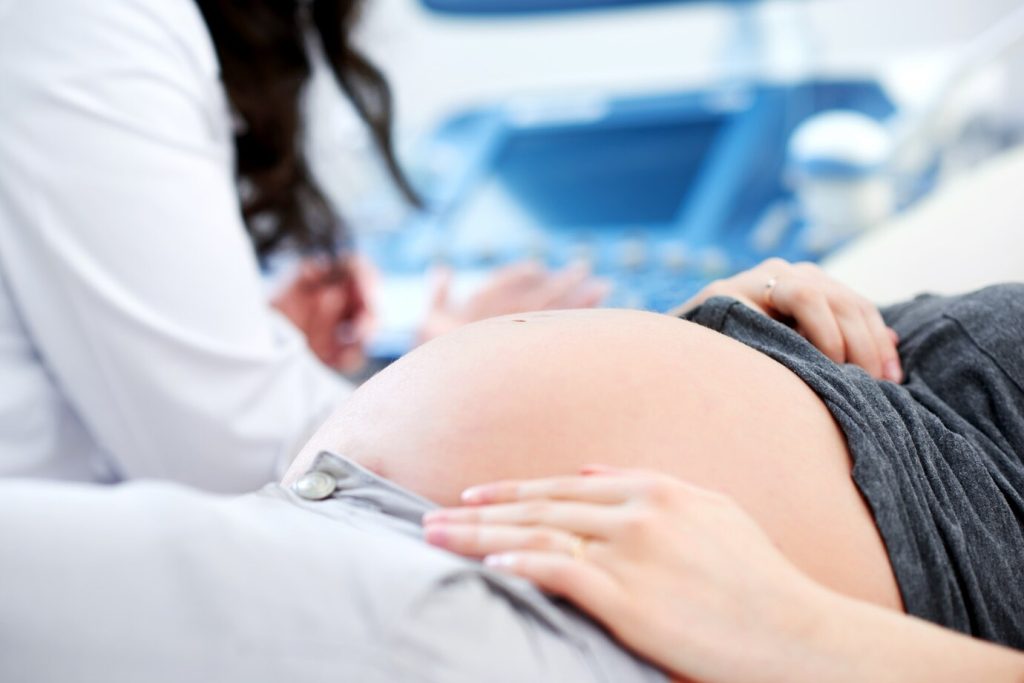
How Autoimmune Disorders Impact Pregnancy & Fertility
May 5, 2025
Autoimmune disorders result when the immune system identifies tissues in the body, including those of reproductive organs, as targets of its attack. These inflammatory conditions can result to female infertility treatment, recurrent pregnancy loss, and abortion. That is why it is essential for couples who have trouble conceiving or carrying a pregnancy to know about the specialty of reproductive immunology .
Autoimmune abnormalities such as lupus, Hashimoto’s thyroiditis, rheumatoid arthritis, and antiphospholipid syndrome create an inflammatory process which disrupts normal reproductive function. Sometimes the immune system goes as far as attacking sperm, eggs, or embryos, thus interfering with conception and increasing the likelihood of IVF failure. Consultation with an infertility specialist will provide identification regarding immune-related fertility problems and will also help in evaluating possible treatment options, including ImmuLIT®..
The Role Of Reproductive Immunology In Fertility
Reproductive immunology is tthe study of how the immune system mediates and modifies the processes of conception, pregnancy, and embryo implantation. The immune system must contend with mounting tolerance toward the embryo since it is a semi-allogenic entity with genetic contributions from both parents. In contrast, women afflicted with autoimmune diseases may show a hyperimmune response that causes chronic inflammation, leading to implantation failure and failed pregnancy.
Antiphospholipid syndrome and endometriosis are two autoimmune conditions that may play a crucial role in over-associated immune responses, further hampering embryo implantation. Moreover, such an immunological inflammatory response may distort hormonal equilibrium in such a way that it can interrupt the ovulatory process and/or endometrial receptivity. ImmuLIT® can help women with unexplained infertility or recurrent miscarriage, developing an overall regulation of the immune response and thus potentially improving the success of implantation.
Studies suggest that immune system dysfunction can contribute to in some cases. Even when embryos appear healthy and viable, an underlying immune issue may prevent them from implanting in the uterus. Women experiencing repeated or multiple unsuccessful IVF cycles should consult an to evaluate immune-related fertility issues.
Research shows that in certain situations, a dysfunctional immune system may result in IVF failure. Even appearances of healthy, viable embryos, an underlying immune condition may hinder their migration into the uterus. Women who have had pregnancy loss or several failed cycles of IVF should see an infertility specialist to check for possible immune-related infertility problems.
Autoimmune Disorders And Female Infertility
Autoimmune disorders can affect female fertility and require female infertility treatment in several ways:
- Egg Quality–Some autoimmune diseases cause inflammation of the ovaries, thus impairing the quality of the eggs and decreasing fertility.
- Implantation Failure–The uterine lining may be targeted by the immune system, thus making it very difficult for embryo implantation to take place.
- Pregnancy Complications–Enhanced inflammatory responses and coagulation could be responsible for pregnancy loss.
- Unexplained infertility–That many women go through is fertility struggles that can be attributed to immune-related factors that are undiagnosed.
Infertility related to autoimmune disorders affects the male as well because of poor sperm quality and motility. In such cases, immune retaliation against sperm may decrease sperm count and complicate the conception process. Couples having unexplained infertility should, therefore, get checked for immune-related factors.
Patients struggling with IVF failure, failed pregnancy, or repeated miscarriages should consult an infertility specialist to determine whether immune-related factors are impacting fertility. In such cases,ImmuLIT® can improve the chances of a successful pregnancy.
Infertility Treatment For Autoimmune-Related Conditions
For individuals with immune-related fertility issues, customized infertility treatment plans can help improve pregnancy success rates. Some options include:
- ImmuLIT® : This involves introducing paternal white blood cells into the mother’s system for the regulation of immune tolerance and reduction in the chances of pregnancy loss.
- Immunosuppressant drugs: Some patients may benefit from an application of corticosteroids or agents used when the activity of the immune system is overactive.
- Blood thinners: Patients with a clotting disorder may need anticoagulants for the appropriate circulation of blood to the placenta.
- Intravenous Immunoglobulin (IVIG) Therapy: This class of treatment modulates immune responses to functions in favor of better pregnancy outcomes.
- Change in lifestyle: Certain changes in diet, stress reduction, and exercise may help reduce inflammation and improve reproductive health.
Working with a fertility specialist who understands reproductive immunology can help patients receive personalized treatment that enhances fertility and pregnancy success.
When Is LIT Needed?
ImmuLIT® is often recommended for:
- Recurrent pregnancy loss
- Failed pregnancy after several attempts
- IVF failure with an undetermined cause
- Unexplained infertility
Women suffering repeated pregnancy loss or IVF failure should seek expert advice for consideration of LIT it acts to promote immune tolerance for the pregnancy to improve the chances of implantation and to allow for a healthy pregnancy.
Expert Fertility Specialists For Autoimmune-Related Infertility
In cases of autoimmune disorders leading to infertility, enlisting the help of an experienced infertility specialist is paramount. Dr. Mohan Raut and Dr. Mugdha Raut specialise in reproductive immunology and female infertility treatment. They render expert care to couples undergoing immune-related fertility challenges.
They are recognised experts with sufficient experience and knowledge in treating immune-related infertility issues like IVF failure and pregnancy loss. A consultation with them will help ensure the right course of action for your fertility journey.
Conclusion
The impact of autoimmune disorders on fertility can be serious: they can cause pregnancy loss, IVF failure, and failed pregnancy. Yet, with new advancements in reproductive immunology, specialised treatments like ImmuLIT® hope to treat immune responses, thereby improving pregnancy success rates. If infertility is due to an autoimmune disorder, consultation with an infertility specialist may help devise treatment options to maximize the chances of a successful pregnancy.
Understanding Treatment Options for Recurrent Miscarriages: A Patient’s Guide
For couples facing the heartbreak of multiple pregnancy losses, every appointment, every test result, and every conversation can feel overwhelming.…

Are There Any Medications That Can Help Prevent Recurrent Miscarriage?
If you’ve been through more than one pregnancy loss, you’re probably carrying more than just grief; you’re carrying questions, fear,…
How Women With PCOS Manage Recurrent Pregnancy Loss?
For many women, repeated miscarriages can feel like a big question. And when conditions like PCOS or hormonal imbalance enter…
Is Recurrent Pregnancy Loss Curable Or Preventable?
If you’ve experienced multiple failed pregnancies or miscarriages with no clear reason, you’re not alone. Many couples face this silent…